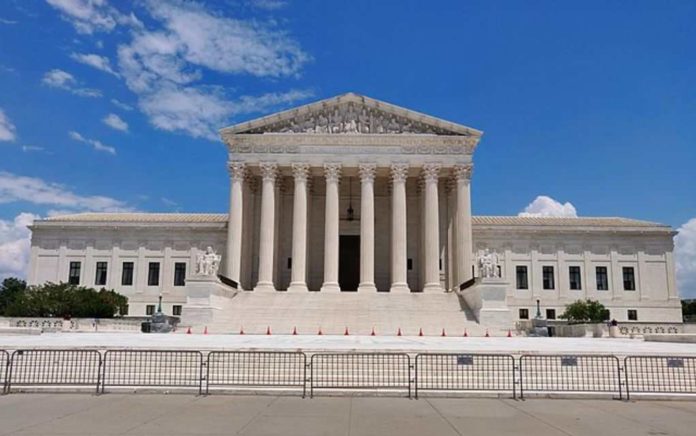
The Court has a huge amount of power. Sometimes they just get it wrong.
Now a monumental Supreme Court case is sending the country into a tailspin.
Court Decision Sparks Renewed Constitutional Discussion
A recent Supreme Court decision involving birthright citizenship has renewed debate among constitutional scholars over the scope of the Fourteenth Amendment and the limits of executive authority in immigration policy.
Legal experts continue examining how the ruling may affect future litigation surrounding citizenship, immigration enforcement, and federal authority. While the Court’s decision addressed procedural questions, broader constitutional issues remain the subject of ongoing academic and legal discussion.
Supporters of President Donald Trump’s immigration agenda argue the decision leaves room for additional legal challenges and legislative action addressing birthright citizenship, while critics maintain that long-established constitutional precedent remains firmly in place.
The debate illustrates how immigration policy continues to intersect with constitutional interpretation in federal courts.
Scholars Offer Competing Views
Constitutional scholars remain divided over the original meaning of the Citizenship Clause.
Some legal analysts argue that historical evidence supports a narrower interpretation of automatic citizenship, particularly for children born to parents who entered the country unlawfully or lack permanent legal status. Others maintain that more than a century of legal precedent supports the existing understanding of birthright citizenship.
The disagreement extends beyond political debate and reflects differing approaches to constitutional interpretation, including originalism and evolving judicial precedent.
Legal observers expect the issue to remain active in federal courts as new cases emerge.
Immigration Litigation Likely to Continue
The administration has emphasized that immigration enforcement and border security remain among its highest priorities.
Republican lawmakers have argued that Congress should revisit several immigration statutes in light of continued legal disputes, while Democratic leaders have defended existing interpretations of citizenship law.
As future litigation develops, courts will likely continue weighing constitutional history, statutory language, and prior Supreme Court decisions.
Regardless of differing viewpoints, legal experts agree that questions surrounding citizenship and immigration will remain central issues in American constitutional law for years to come.