Under Trump, the law is getting enforced. And this is just more evidence of that.
Because the FBI made a monumental arrest that changes everything.
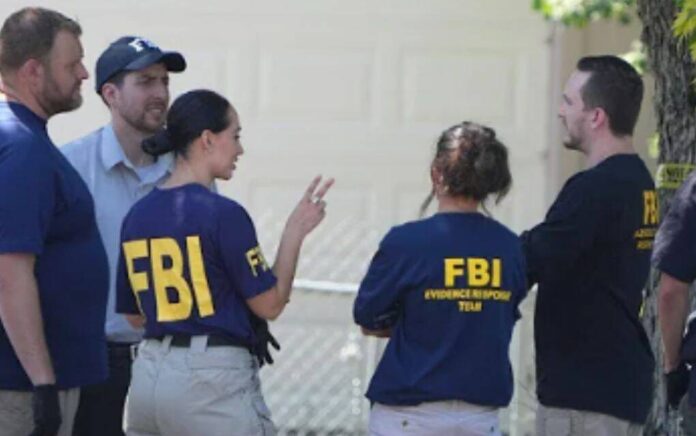
The hackers who allegedly raided the FBI’s own recruitment website are learning that the bureau does not forget. FBI Director Kash Patel announced Friday that agents arrested yet another suspected co-conspirator of the ShinyHunters hacking group earlier this week, part of a rapid series of actions against the network in recent days.
“Earlier this week, our agents in the field arrested another suspected co-conspirator of the ShinyHunters group – the group believed to be responsible for the recent FBIjobs.gov incident, which occurred on a platform managed by a third-party vendor,” Patel said in an October 9 statement. He added that investigators are chasing additional leads and evidence, and that more developments could follow.
Patel framed the arrest as proof of the bureau’s reach. “This arrest demonstrates the strength and reach of our efforts to protect Americans from cybercrime. We will continue to work closely with our partners to disrupt what’s left of the ShinyHunters group and their associates, no matter where they operate.” The phrase “what’s left” is a clear hint that the group has taken real hits, and that the FBI believes the network is being picked apart one arrest at a time.
ShinyHunters is a criminal hacking and extortion group. It previously claimed it had obtained sensitive personal information belonging to FBI employees and job applicants through the bureau’s jobs portal. According to earlier Reuters reporting, the group said it had stolen data tied to nearly all FBI agents and people who applied to work there. A sample shared with the outlet reportedly contained names, home addresses, Social Security numbers, assignments and, in some cases, the names of family members.
That is a disturbing list for anyone who has ever put on the badge. Home addresses and family details in the wrong hands can mean harassment, extortion attempts or worse for agents who spend their careers pursuing dangerous people. It is exactly the type of information a criminal or a hostile foreign government would love to have, which makes the speed of the bureau’s response all the more welcome.
There are important caveats, and they deserve to be stated clearly. The extent of the alleged breach has not been independently confirmed. The FBI said earlier that it was investigating whether the problem began inside its own systems or through a third-party provider supporting the jobs site. Patel’s statement points to a platform managed by a third-party vendor, which suggests the weak point was outside the bureau’s own walls.
Jason Pack, a retired FBI supervisory special agent and CEO of Media Rep Global Strategies, offered useful perspective when he spoke with Fox News Digital earlier. He stressed that stolen personnel information is a very different matter from access to classified investigative systems. “There is a meaningful difference between somebody obtaining personnel information and somebody gaining access to classified investigative systems,” Pack said. “Based on what we know right now, there is no indication they have the keys to the kingdom.”
That distinction matters, and it should keep the public from panicking. Nothing reported so far suggests the hackers reached the bureau’s most sensitive case files or national security databases. The danger is to individuals whose personal details may now be circulating, not to the integrity of ongoing investigations. Still, a breach that touches personnel data is serious enough, and the bureau owes its employees and applicants a full accounting of what was exposed.
The incident also shines a light on a problem that has plagued government agencies for years: reliance on third-party vendors. When a federal agency outsources a function as basic as hosting a jobs website, it inherits the security practices of the contractor. Hackers know this, and they target the weakest link in the chain. If the FBIjobs.gov incident did occur on a vendor’s platform, it will be worth asking what oversight the bureau exercised, and what requirements it placed on companies that handle sensitive data about its own people.
Patel’s willingness to name the group and trumpet the arrests is a notable change in tone. Under previous leadership, cyber incidents at federal agencies were frequently met with vague statements and long silences. This time, the director is going on the record with names, dates and promises to keep going. Whether that approach pays off in prosecutions will be tested in court, but the public is entitled to expect results.
There is another lesson here for ordinary Americans. Criminal hacking groups like ShinyHunters do not discriminate. They go after whoever has data worth stealing, whether it is a corporation, a hospital or the nation’s premier law enforcement agency. The bureau has a tough job ahead cleaning up this mess, but its ability to make arrests in the middle of an active investigation shows it still has the investigative muscle to hunt down people who believe they can hide behind a keyboard.
For now, the FBI says it is working with its partners to dismantle the group. A representative for the Justice Department did not immediately respond to Fox News Digital’s request for comment. More arrests would not be a surprise given Patel’s remarks, and anyone connected to the group would be wise to assume agents are watching.
The people most affected by the breach, the agents and applicants whose information may be out in the open, deserve to hear clearly what has been done to protect them and what steps they should take. Patel has promised to keep pressing. If the FBI can pair those arrests with transparency about what was exposed and how the vendor failure happened, it will go a long way toward restoring confidence that the bureau can protect its own while it protects everyone else.